Section 6: Lights and Sound Signals 81
Figure 6-13. Day shape indicating
sailboat is under power and sail
• Two balls in a vertical line to indicate the
side on which the obstruction exists (Figure
6-14).
• Two diamonds in a vertical line to indicate
the side on which another vessel may
pass (Figure 6-14).
SOUND SIGNALS
Sound signals, using your horn, are a
means of communication between boats.
They let another boat know your intention,
and the other boat tells you that
your intention is understood. The signals
described in the following paragraphs are
summarized in Table 6-3.
Vessels in Sight of
One Another
Several situations call for sound signals, even
though skippers can see each other. Generally,
sound signals are not used in open water.
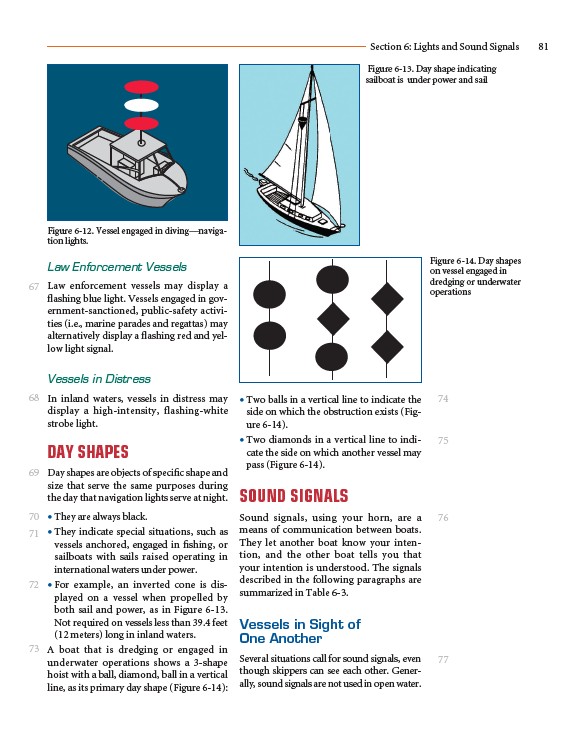
Figure 6-12. Vessel engaged in diving—navigation
lights.
Law Enforcement Vessels
Law enforcement vessels may display a
flashing blue light. Vessels engaged in government
sanctioned, public-safety activities
(i.e., marine parades and regattas) may
alternatively display a flashing red and yellow
light signal.
Vessels in Distress
In inland waters, vessels in distress may
display a high-intensity, flashing-white
strobe light.
DAY SHAPES
Day shapes are objects of specific shape and
size that serve the same purposes during
the day that navigation lights serve at night.
• They are always black.
• They indicate special situations, such as
vessels anchored, engaged in fishing, or
sailboats with sails raised operating in
international waters under power.
• For example, an inverted cone is displayed
on a vessel when propelled by
both sail and power, as in Figure 6-13.
Not required on vessels less than 39.4 feet
(12 meters) long in inland waters.
A boat that is dredging or engaged in
underwater operations shows a 3-shape
hoist with a ball, diamond, ball in a vertical
line, as its primary day shape (Figure 6-14):
Figure 6-14. Day shapes
on vessel engaged in
dredging or underwater
operations ◆
◆
67
68
69
70
71
72
73
74
75
76
77
◆